
ABOUT US
Global Advanced Polymers & Industrial Materials Intelligence Network
Global Advanced Polymers & Industrial Materials Intelligence Network (APIM) is a professional B2B information platform focused on advanced polymer materials, engineering plastics, modified compounds, specialty films, industrial adhesives, extrusion technologies, biomaterials, recycled polymers, and high-performance industrial material applications. The platform is designed for material suppliers, compounders, extrusion equipment manufacturers, converters, automotive suppliers, electronics manufacturers, packaging companies, industrial product developers, procurement teams, R&D departments, and project decision-makers who need structured information about material performance, processing methods, application trends, and global supply chain development.
APIM focuses on the materials that are transforming modern manufacturing. As industries pursue lighter, stronger, safer, and more sustainable products, advanced polymers are increasingly replacing traditional metals, glass, rubber, and conventional plastics in demanding applications. Engineering plastics such as PEEK, PPS, PA, PC, POM, TPU, PET, PBT, ABS, PMMA, and high-temperature polymers are widely used in automotive components, electrical insulation, precision parts, medical devices, industrial machinery, consumer electronics, and packaging systems.Through clear technical interpretation, APIM helps business users understand how these materials perform under heat, pressure, chemical exposure, mechanical stress, and long-term operating conditions.
The platform also covers modified polymers and functional compounds, including glass-fiber reinforced plastics, carbon-fiber reinforced compounds, flame-retardant materials, impact-modified resins, conductive plastics, thermally conductive compounds, wear-resistant materials, UV-stabilized polymers, and mineral-filled formulations. These materials are not only raw inputs; they are engineered solutions that affect product strength, weight, dimensional stability, safety, appearance, cost, and service life. APIM explains how formulation design, additive selection, compounding quality, and processing control influence final product performance.
Extrusion and compounding technologies are another major focus of APIM.The platform covers twin-screw extruders, single-screw extruders, pelletizing systems, gravimetric feeders, melt pumps, screen changers, vacuum degassing systems, underwater pelletizers, strand pelletizing lines, sheet extrusion lines, film extrusion equipment, and co-extrusion systems. In polymer manufacturing, equipment configuration and process control are directly linked to material consistency. APIM helps readers understand how screw design, feeding accuracy, temperature profile, residence time, melt filtration, dispersion quality, and cooling conditions affect compound quality and downstream processing results.
APIM also provides structured coverage of specialty films and substrates.
Our Mandate
This includes optical films, PC sheets, PMMA sheets, PET films, protective films, release films, barrier films, EVOH multilayer films, breathable films, conductive films, and packaging substrates. These materials are used in displays, electronics, automotive interiors, food packaging, pharmaceutical packaging, solar modules, labels, insulation, and protective surfaces.
The platform explains important performance factors such as optical clarity, haze, light transmission, oxygen barrier, moisture barrier, tensile strength, thickness tolerance, surface treatment, and heat resistance.
Industrial adhesives and bonding materials are another key area. APIM covers structural polyurethane adhesives, epoxy adhesives, acrylic adhesives, hot-melt adhesives, UV-curing materials, silicone adhesives, pressure-sensitive adhesives, sealants, potting compounds, and composite bonding solutions.In many industries, adhesives are no longer secondary materials; they are essential for lightweight assembly, vibration resistance, sealing, insulation, thermal management, and product reliability.
APIM helps users understand adhesion strength, curing behavior, surface preparation, temperature resistance, flexibility, chemical compatibility, and application process requirements.
Sustainability and circular material development are also central to APIM’s positioning. The platform follows recycled polymers, bio-based plastics, biodegradable materials, PLA, PBAT, recycled PET, recycled PP, recycled PE, chemical recovery technologies, mechanical recycling systems, mono-material packaging, and low-impact material design. As regulations, brand commitments, and customer expectations continue to shift, manufacturers need to evaluate sustainability not only as a marketing theme but as a practical material and process decision.
Recommended News
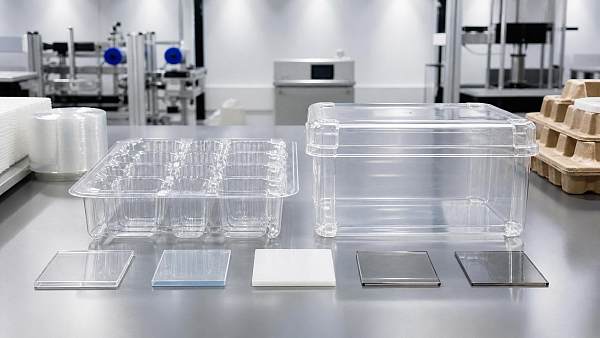
 PET vs Polycarbonate for Clear Packaging: How to Choose by Impact, Clarity, and CostEVOH High-barrier PackagingPET vs polycarbonate for clear packaging: compare impact strength, clarity, processing, recycling, and cost to choose the right material for durable, efficient, and market-ready packaging.
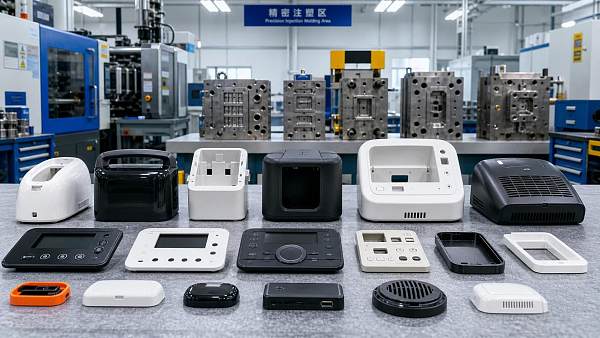
 ABS Material Properties Explained: When It Fits Housings, Panels, and Consumer PartsTwin-screw Compounding ExtrudersABS material properties explained: discover when ABS is the right choice for housings, panels, and consumer parts, with clear pros, limits, and practical selection insights.
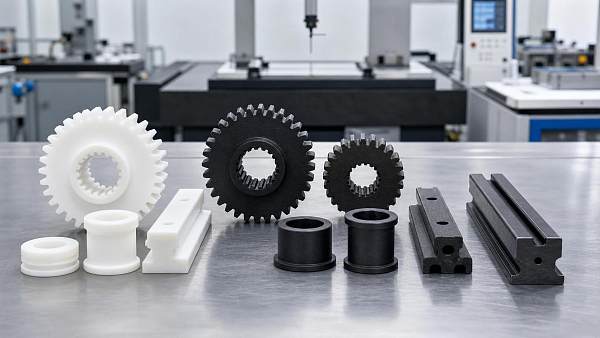
 POM vs Polyamide for Gears and Sliding Parts: Which Delivers Better Wear Performance?Twin-screw Compounding ExtrudersPOM vs polyamide: discover which material delivers better wear performance for gears and sliding parts, with practical insights on friction, stability, load, and real-world selection.
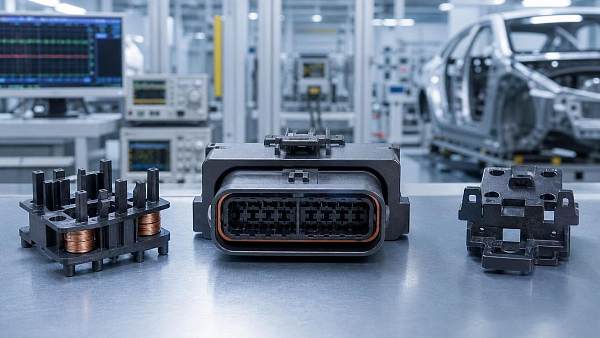
 How PPS Performs in High-Temperature Electrical Parts: Limits, Advantages, and Trade-OffsREACH/RoHS & FDA CompliancePPS in high-temperature electrical parts: explore its heat resistance, insulation, dimensional stability, key limits, and trade-offs to choose smarter, more reliable designs.