




Best Electric Vehicle Materials for Connectors Under Heat and Vibration
Best Electric Vehicle Materials for Connectors Under Heat and Vibration
Selecting the best electric vehicle materials for connectors is critical when heat, vibration, and long service life all affect system reliability.
Material choice shapes safety, durability, molding stability, compliance, and lifetime cost across the full EV platform.
This matters even more in battery packs, e-axles, inverters, DC-DC units, and charging interfaces.
In these zones, connectors face thermal cycling, road shock, chemical splash, humidity, and assembly pressure at the same time.
That is why electric vehicle materials for connectors must be evaluated as a system decision, not a simple resin selection.
Why Heat and Vibration Change Connector Material Decisions
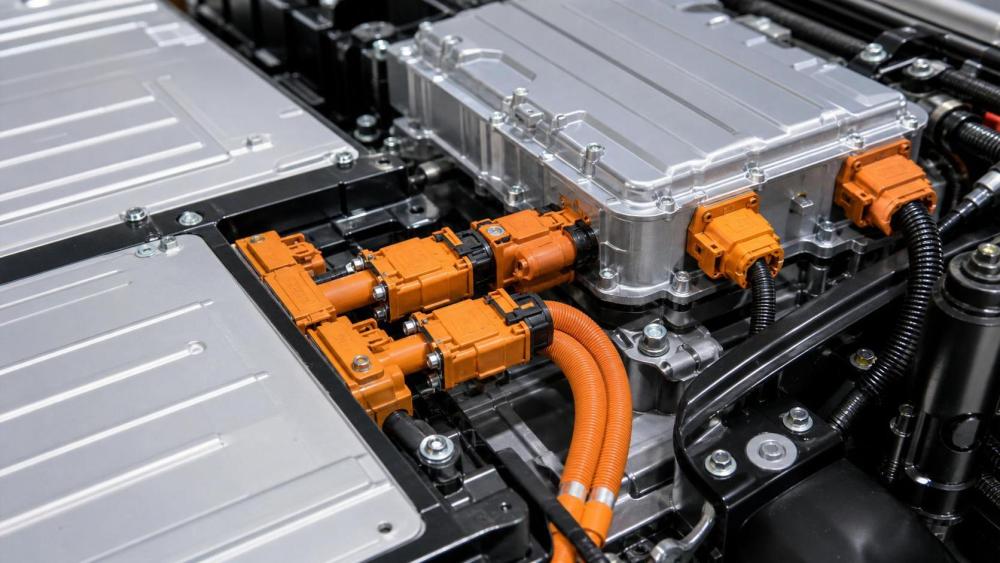
EV connectors operate in a harsher environment than many conventional automotive electrical parts.
Higher voltage, compact packaging, and faster charging push temperatures upward and reduce design margin.
At the same time, vibration from road input and drivetrain response creates repeated mechanical stress.
A connector housing may look stable in lab conditions, then creep, crack, or lose retention force in service.
This is where the best electric vehicle materials for connectors separate from general-purpose plastics.
The real target is not one high number on a datasheet.
The target is balanced performance across thermal aging, dimensional stability, insulation, flame resistance, and process consistency.
Key Performance Requirements for Electric Vehicle Materials for Connectors
Before comparing polymers, it helps to define what the connector must survive in actual use.
For most EV programs, the material screen should include these factors:
- Continuous heat resistance under load and thermal cycling
- Low creep to protect terminal position and sealing geometry
- High dielectric strength and stable insulation performance
- Resistance to automotive fluids, coolants, and electrolytes
- Flame-retardant behavior for safety and certification support
- Vibration toughness and crack resistance at weld lines
- Molding stability for tight tolerances and high-volume production
More programs are also adding CTI, low warpage, laser marking quality, and color stability to the list.
From a project standpoint, these details affect validation time and late-stage tooling changes.
Best Material Options for High-Heat EV Connector Applications
There is no universal winner.
The best electric vehicle materials for connectors depend on voltage class, temperature profile, packaging space, and target cost.
PBT and Modified PBT
PBT remains common for lower-heat connector systems because it molds well and supports dimensional precision.
With reinforcement and flame-retardant modification, it can perform well in many signal and control connectors.
Its limitation appears when continuous heat and aggressive vibration move beyond standard body electronics conditions.
PA66, PA6T, and High-Temperature Polyamides
Polyamides are widely used electric vehicle materials for connectors because they offer strong mechanical performance.
PA66 works in many automotive connectors, but moisture absorption must be managed carefully.
High-temperature polyamides such as PA6T or PPA grades extend heat capability and retention strength.
These materials often fit under-hood EV applications where both thermal load and structural stiffness matter.
PPS
PPS is one of the strongest candidates for demanding EV connector housings.
It offers excellent heat resistance, chemical stability, low moisture uptake, and good dimensional control.
For battery-adjacent systems, inverter connectors, and high-reliability terminals, PPS is often shortlisted early.
The main tradeoff is cost and, in some designs, brittleness sensitivity if geometry is not optimized.
PEEK and Other Premium High-Performance Polymers
PEEK delivers outstanding thermal and mechanical performance for severe EV environments.
It is used when failure risk is expensive, access is limited, or thermal exposure is extreme.
Still, many teams reserve it for special cases because tooling, processing, and material cost are much higher.
How to Compare Electric Vehicle Materials for Connectors
A practical comparison needs more than brochure data.
It should connect material behavior with connector geometry, assembly stress, and production reality.
This kind of matrix helps narrow choices faster during concept review.
It also creates a common language between design, sourcing, and validation teams.
Common Failure Risks in EV Connector Material Selection
Several connector programs fail because the material decision is made too early and tested too narrowly.
The most common problems include:
- Selecting by short-term temperature rating alone
- Ignoring creep at terminal locking points
- Overlooking weld-line weakness under vibration
- Using flame-retardant packages that hurt toughness or process stability
- Missing fluid exposure from coolant leaks or cleaning agents
- Underestimating tolerance drift after moisture conditioning
These risks are especially relevant when electric vehicle materials for connectors are sourced from multiple regions.
Batch consistency, certification support, and compounding quality can vary more than expected.
A Practical Selection Framework for Project Execution
In real programs, the best path is a staged material screening process.
- Define the connector zone by voltage, peak temperature, vibration class, and chemical exposure.
- Match the housing and insert design with materials that can hold tolerance after aging.
- Review flame-retardant requirements, CTI targets, and insulation needs early.
- Request molded sample data, not just resin datasheets.
- Run thermal cycling and vibration tests on actual connector assemblies.
- Check tool wear, warpage, cycle time, and scrap rate before final nomination.
This approach reduces late engineering change orders and protects launch timing.
It also keeps electric vehicle materials for connectors aligned with procurement and manufacturing realities.
What Strong Connector Material Strategy Looks Like
The strongest programs treat connector materials as a reliability lever, not a commodity item.
That means choosing electric vehicle materials for connectors based on service conditions, molding behavior, and supply confidence together.
PBT, high-temperature polyamides, PPS, and PEEK each have a valid place when matched correctly.
The difference usually comes from how well the team connects material data with connector design risk.
For current EV platforms, the most reliable decisions start with a realistic thermal map, a vibration-aware design review, and early supplier validation.
When those steps are in place, electric vehicle materials for connectors become a source of stability, not a source of launch surprises.
Have questions about this sector analysis, or seeking best practices specific to your niche? Drop us a line below and let the senior consultants at APIM assist you.
We respect your privacy. Your information is strictly confidential.
Related News
- 00
0000-00
Do polyolefin hot melt adhesives bond well to polyethylene? - 00
0000-00
Korean Study Finds PLA Barely Degrades in Landfill After 320 Days - 00
0000-00
How to assess batch consistency from a thermal potting compounds supplier - 00
0000-00
How much weight can carbon fiber reinforced plastics save in cars? - 00
0000-00
Switching from PS to ABS Sheet Extrusion: Equipment Checks