




EVOH Packaging Films: Barrier Performance vs Cost in Food Packaging
EVOH Packaging Films: Barrier Performance vs Cost in Food Packaging
EVOH packaging films are widely used in food packaging because they deliver strong oxygen barrier performance, but buyers must also weigh structure design, processing compatibility, and total material cost. For procurement teams, understanding the balance between barrier efficiency and budget is essential when comparing multilayer film options, shelf-life requirements, and supplier value.
Why EVOH packaging films matter in food packaging
In food packaging, oxygen control is often the difference between a premium shelf life and early spoilage. EVOH packaging films are valued because they slow oxygen transmission far better than standard polyolefin layers. That makes them a practical choice for meat, dairy, sauces, ready meals, and other sensitive products.
The advantage is not just technical. Better barrier performance can reduce returns, lower waste, and support longer distribution routes. For many brands, that business impact matters more than the resin price alone.
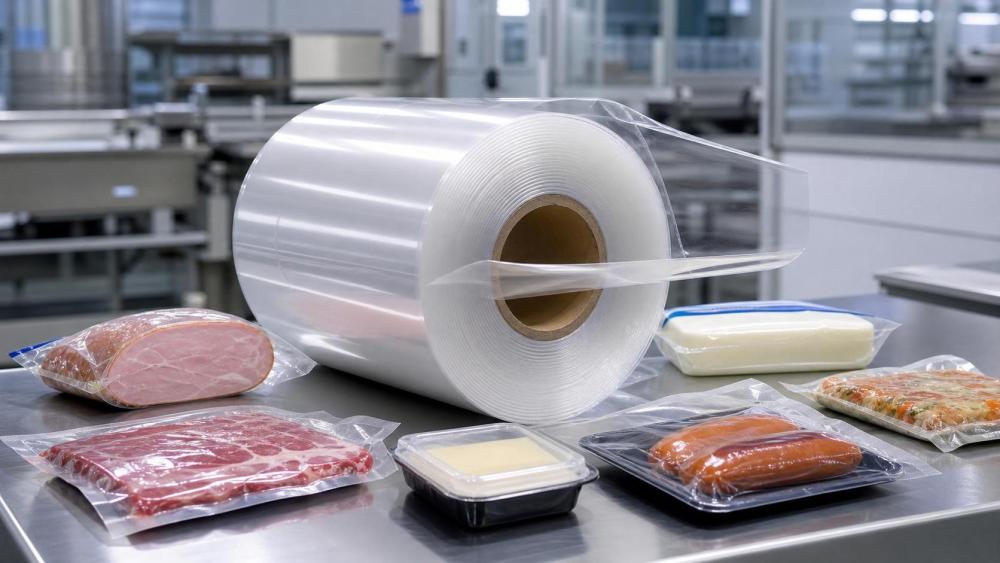
Still, EVOH packaging films are rarely used as a single-layer solution. They are usually part of multilayer packaging structures, where each layer supports a different function. This is where purchasing decisions become more complex.
Barrier performance: where EVOH packaging films stand out
The main reason buyers specify EVOH packaging films is oxygen barrier performance. When dry and properly protected in a multilayer structure, EVOH can deliver excellent barrier results that help preserve flavor, color, and product quality.
This is especially important for high-value foods where oxidation causes visible losses. A small improvement in barrier can create a meaningful gain in shelf life, which often justifies the extra material cost.
However, EVOH is moisture-sensitive. Once exposed to humidity, its barrier performance can drop. That means the surrounding layers, adhesive tie layers, and sealing system all affect final results. In practice, buyers should evaluate the whole structure, not only the EVOH resin grade.
- High oxygen barrier in dry conditions
- Strong fit for shelf-life extension
- Needs support from outer barrier layers
- Performance depends on lamination and processing control
Cost drivers that procurement teams should watch
EVOH packaging films usually cost more than conventional PE or PP structures. But the real cost question is not just resin price. It also includes multilayer complexity, extrusion stability, scrap rate, and downstream converting yield.
A film that looks expensive on paper may still be the better commercial choice if it extends shelf life, reduces spoilage, or enables lighter packaging. On the other hand, over-specifying barrier performance can raise cost without a clear business return.
The most common cost levers are layer count, EVOH thickness, tie-layer selection, and overall line efficiency. If a packaging line needs frequent adjustments or produces unstable gauges, material cost rises quickly through waste.
How to compare EVOH packaging films with alternatives
A smart comparison starts with the food itself. If the product is low-risk and moves fast through the supply chain, a lower-cost structure may be enough. If oxygen sensitivity is high, EVOH packaging films often become the more economical option over the full product lifecycle.
Buyers should also compare EVOH packaging films with metalized films, PET-based structures, and other barrier laminations. Each option has trade-offs in clarity, recyclability, heat resistance, and seal performance.
A useful procurement question is simple: does the barrier layer support revenue protection, waste reduction, or brand positioning? If the answer is yes, the higher unit cost may still deliver better value.
For projects with mixed SKUs, it helps to segment by shelf life and distribution distance. In many cases, only a few product lines truly need the full performance of EVOH packaging films.
Supplier evaluation points that reduce risk
Supplier quotes can look similar, but the underlying quality can vary. For EVOH packaging films, procurement teams should ask for barrier test data, layer structure details, processing windows, and consistency across batches.
It also helps to check whether the supplier can support co-extrusion, printing, sealing, and storage conditions. A film that performs well in the lab may still create trouble on the line if moisture sensitivity or heat sealing is not properly managed.
A practical sourcing checklist includes:
- Oxygen transmission rate data under real conditions
- Moisture sensitivity and storage guidance
- Compatibility with existing packaging equipment
- Lead time stability and batch consistency
- Technical support during trial runs
Making the cost-performance decision
The best procurement decision is rarely the cheapest film or the highest barrier film. It is the one that matches product risk, shelf-life target, and production reality.
If EVOH packaging films can prevent spoilage, reduce claims, and support market reach, they may lower total cost even at a higher purchase price. If the barrier level exceeds the application need, the extra spend is hard to defend.
For food packaging teams, the key is to connect technical performance with commercial outcomes. That means testing structures early, comparing total cost, and selecting suppliers that can prove both barrier stability and process reliability.
In short, EVOH packaging films are most valuable when they solve a real shelf-life problem without adding unnecessary complexity. Procurement decisions get stronger when barrier data, line performance, and budget are reviewed together.
Have questions about this sector analysis, or seeking best practices specific to your niche? Drop us a line below and let the senior consultants at APIM assist you.
We respect your privacy. Your information is strictly confidential.
Related News
- 00
0000-00
How does washing affect contamination in post-consumer recycled PP resins? - 00
0000-00
How does feedstock affect depolymerization equipment selection? - 00
0000-00
US Sets 213.44% Preliminary Antidumping Deposit on Chinese PTMEG - 00
0000-00
When should epoxy be used as a thermal interface material for semiconductors? - 00
0000-00
US Midterm Results Unlikely to Quickly Shift Recycled Plastics Market or Legislation