




ECHA Moves to Tighten EVOH Migration Limit to 0.05 mg/kg
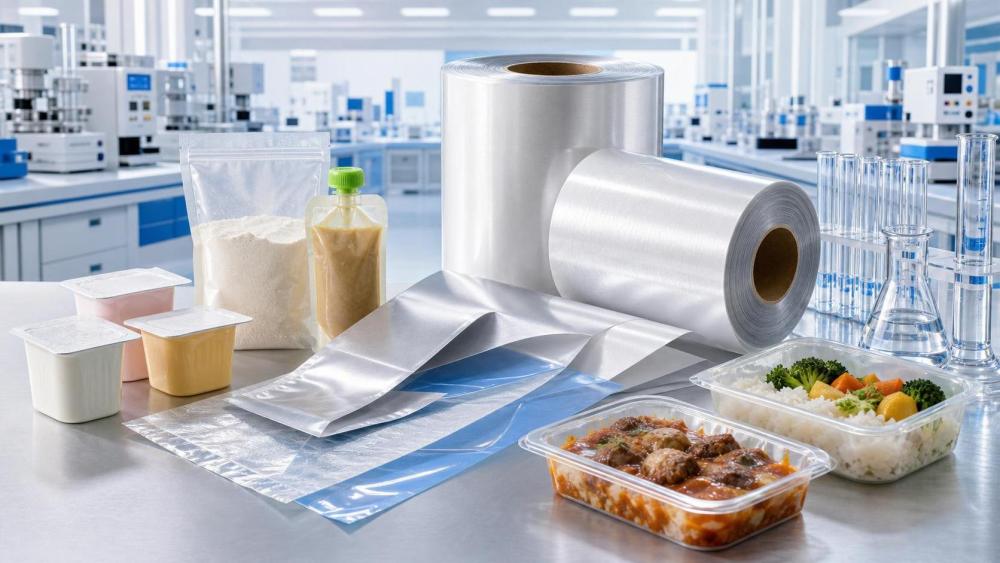
On June 29, 2026, the European Chemicals Agency (ECHA) issued an urgent draft revision to REACH Annex XVII that would sharply lower the food-contact migration limit for residual vinyl alcohol monomer in EVOH high-barrier packaging from 0.5 mg/kg to 0.05 mg/kg, with mandatory implementation proposed for December 1, 2026. This development deserves close attention from suppliers serving the EU market for dairy, infant food, and ready-meal packaging, because it points directly to new compliance work for EVOH multilayer coextruded films, coated films, and laminated structures.
What the draft revision changes
According to the information provided, ECHA released the urgent draft revision on June 29, 2026. The draft would amend REACH Annex XVII by reducing the migration limit for residual vinyl alcohol monomer in EVOH high-barrier packaging materials from the current 0.5 mg/kg to 0.05 mg/kg. The proposed date for mandatory enforcement is December 1, 2026.
The same information states that the revision directly affects suppliers exporting packaging for dairy products, infant food, and ready meals to the European Union. It also states that EVOH multilayer coextruded films, coated films, and composite structures would need renewed compliance validation through upgraded devolatilization processes or the introduction of chemical stabilizers.
Where the pressure is likely to appear first
Export-facing packaging suppliers
From an industry perspective, suppliers shipping food-contact packaging into the EU are likely to face the most immediate impact because the proposed limit applies directly to product compliance. The pressure point is not only the final material specification, but also whether existing compliant products under the current threshold can still meet customer requirements if the lower limit takes effect.
Converters using EVOH structures
Analysis shows that processors working with multilayer coextruded films, coated films, and laminated structures may see the main effect in process validation and material redesign. The revision, as described, connects compliance to technical adjustments such as stronger devolatilization or the use of chemical stabilizers, which means manufacturing and quality teams would need to reassess current production routes.
Food brands and packaging buyers in sensitive categories
Companies sourcing packaging for dairy, infant food, and ready meals may need to pay closer attention to supplier readiness, validation timelines, and documentation quality. Observably, the issue is not limited to packaging converters alone; procurement and regulatory teams at the brand or product-owner level may also need to review whether current packaging specifications remain suitable for EU-facing business.
Supply chain and compliance service partners
What deserves closer attention is the knock-on effect on compliance support functions, including testing coordination, document management, and delivery planning. Where contracts or customer approvals depend on validated food-contact performance, any transition to revised materials or revised process conditions could affect lead times and communication requirements.
Practical priorities for companies now
Track the wording and timing of the draft
Analysis shows that companies should distinguish between the current proposal and final enforceable text. The proposed implementation date of December 1, 2026 is commercially important, but the exact official wording and any subsequent changes remain a critical point for continued monitoring.
Map affected product lines and EU-bound orders
For businesses with EU exports, the immediate practical step is to identify which packaging formats rely on EVOH high-barrier structures and which of those are used in dairy, infant food, or ready-meal applications. This helps narrow where revalidation work may be needed first.
Review process capability and validation evidence
Based on the information provided, compliance may require upgraded devolatilization or the use of chemical stabilizers followed by renewed validation. That makes technical records, testing plans, and supporting compliance files especially important for manufacturers and suppliers preparing for customer review.
Prepare for supplier and customer communication
Observably, commercial risk may arise where customers expect continuity but suppliers are still reassessing process routes or documentation. Procurement, sales, and regulatory teams should therefore be aligned on what can already be confirmed, what remains under review, and how delivery or approval timelines may be affected if the draft becomes mandatory as proposed.
How this should be read at this stage
This should not be treated simply as a routine parameter update. Analysis shows that the tenfold reduction in the stated migration limit is better understood as a strong compliance signal for a specific set of food-contact packaging applications. At the same time, it remains a draft revision in the information provided, so the market should read it as both an immediate preparation issue and a development that still requires continued verification.
It is more appropriate to understand this as a near-term regulatory trigger with longer-term implications for validation discipline in high-barrier packaging supplied to the EU. The combination of a lower threshold and a defined proposed enforcement date is what makes the item commercially relevant now.
Why the market will keep watching this
In practical terms, this update matters because it links regulatory change directly to process adjustment and revalidation work in EVOH-based packaging. For companies exposed to EU food-contact packaging demand, especially in dairy, infant food, and ready meals, the issue is less about general market sentiment and more about technical readiness, documentation, and timing.
From an editorial perspective, the development is best understood as a concrete compliance signal rather than a completed final outcome. The proposal already points to where operational pressure may emerge, but its final regulatory shape and implementation details still merit close observation.
Basis of this article
This article is based on the user-provided news title, event date, and event summary. For this type of update, relevant source categories typically include official regulatory notices, company disclosures, industry association updates, authoritative media coverage, and standards-related documents.
A specific official source link was not provided in the input, so the underlying text and any subsequent formal updates still need ongoing verification. Continued attention should focus on any official ECHA wording, confirmation of implementation arrangements, and whether additional compliance details are published for affected EVOH packaging structures.
Have questions about this sector analysis, or seeking best practices specific to your niche? Drop us a line below and let the senior consultants at APIM assist you.
We respect your privacy. Your information is strictly confidential.
Related News
- 00
0000-00
Do polyolefin hot melt adhesives bond well to polyethylene? - 00
0000-00
Korean Study Finds PLA Barely Degrades in Landfill After 320 Days - 00
0000-00
How to assess batch consistency from a thermal potting compounds supplier - 00
0000-00
How much weight can carbon fiber reinforced plastics save in cars? - 00
0000-00
Switching from PS to ABS Sheet Extrusion: Equipment Checks