




Polycarbonate Sheets for Roofing: Cost, Lifespan, and Weather Risk
How should polycarbonate sheets for roofing be evaluated beyond the quoted price?
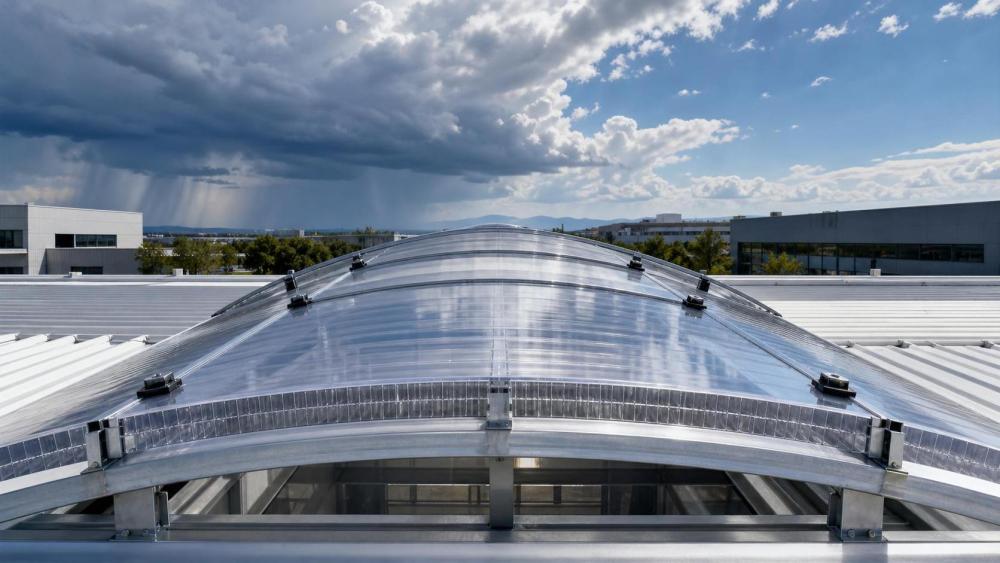
Polycarbonate sheets for roofing are often selected for light weight, impact strength, and easier installation than glass or metal-glaced systems.
But cost comparisons become misleading when only the sheet price is considered. Roofing performance depends on grade, structure, coating, thickness, and weather exposure.
In practical buying decisions, the better question is not “Which sheet is cheapest?” It is “Which sheet will still perform after years of sun, rain, wind, and temperature change?”
That is why polycarbonate sheets for roofing sit at the intersection of material science and project economics. The sheet itself is only one part of the total value.
APIM often frames advanced polymer decisions this way. A material choice should connect resin behavior, processing quality, application conditions, and long-term operating risk.
For roofing, that means reviewing UV protection, mechanical durability, optical stability, fastening design, and supplier consistency before approving a purchase.
What really drives the cost of polycarbonate sheets for roofing?
The base resin matters, but several hidden cost drivers usually have more impact on project value than expected.
Solid sheets generally cost more than multiwall sheets. Multiwall products improve insulation and lower weight, but they behave differently under load and weather cycling.
Thickness changes price quickly. A small increase in gauge may improve stiffness, impact margin, and allowable span, which can reduce downstream support requirements.
UV-protected layers also affect pricing. Polycarbonate sheets for roofing without reliable co-extruded UV protection usually look economical at first, then become expensive after premature yellowing or embrittlement.
Color, light diffusion, flame performance, and surface treatment can add cost as well. These features should only be specified when they solve a real project need.
It also helps to separate material price from installed cost. Lightweight sheets may reduce handling, support loading, and labor time compared with glass alternatives.
The table below is a useful screening tool when comparing supplier offers.
How long do polycarbonate roofing sheets usually last?
Service life depends heavily on environment and formulation. In moderate conditions, well-made polycarbonate sheets for roofing often remain functional for 10 to 20 years.
That range is broad because not all sheets use the same stabilizer package or extrusion quality. Lifespan is not a fixed material number.
High UV exposure, sand abrasion, chemical fallout, and poor installation can shorten life considerably. The failure mode is often gradual rather than sudden.
Common aging signs include yellowing, haze increase, surface cracking, reduced impact resistance, and local stress failure around fasteners.
A useful buying check is whether the supplier can provide accelerated weathering data, UV-layer details, and realistic warranty language. Vague durability claims are not enough.
APIM’s broader materials coverage makes this point repeatedly across PC sheets, films, and compounds. Additive design and process control often determine whether a product ages predictably.
A short lifespan rule of thumb
- Basic unprotected sheets: suitable only where weather exposure is limited or replacement is expected.
- UV-protected standard grades: common for general roofing and skylight applications.
- Premium architectural grades: better choice for longer service expectations or harsher climates.
Which weather risks matter most before selecting polycarbonate sheets for roofing?
Weather risk is where many roofing comparisons become too simplified. Polycarbonate is tough, but each climate stresses it in a different way.
In sunny regions, UV exposure is usually the main threat. Without a strong protective layer, clarity and impact performance decline over time.
In hail-prone areas, impact resistance becomes the first filter. Polycarbonate sheets for roofing often outperform acrylic here, but thickness and support spacing still matter.
Hot-cold cycling creates another issue. Polycarbonate expands and contracts more than metal or glass. If fixing details do not allow movement, cracking can start around drilled holes.
Wind uplift should also be reviewed carefully. Sheet strength is only part of the answer. Fasteners, washers, edge design, and substructure all affect real storm performance.
Coastal or industrial environments add chemical and particulate exposure. Salt, airborne dust, and cleaning mistakes can accelerate surface wear and reduce visual quality.
Weather risk checklist
- Peak UV intensity and annual sun hours
- Hail size history and impact requirement
- Maximum wind load and fastening design
- Temperature swing and thermal expansion allowance
- Exposure to salt, dust, chemicals, or rooftop emissions
When is polycarbonate roofing a better choice than glass, acrylic, or metal panels?
This depends on the balance between daylighting, durability, weight, and operating risk.
Compared with glass, polycarbonate sheets for roofing are lighter and far more impact resistant. They are often easier to transport and install, especially in retrofit work.
Compared with acrylic, polycarbonate usually handles impact better. Acrylic may offer superior inherent optical clarity, but it is generally more brittle under shock.
Compared with metal roofing panels, polycarbonate provides daylight transmission. That can reduce daytime lighting demand in canopies, walkways, warehouses, and covered process areas.
The tradeoff is that polycarbonate needs more attention to UV protection, thermal movement, and long-term visual aging than opaque metal systems.
A common mistake is treating all transparent roofing materials as interchangeable. In reality, each option solves a different mix of structural, optical, and maintenance needs.
What should be confirmed with suppliers before placing an order?
At this stage, detailed questions prevent expensive surprises later. The goal is to turn a generic sheet quote into a verified roofing specification.
Start with material identity. Confirm whether the offer is solid, multiwall, or corrugated polycarbonate, and verify actual thickness tolerance.
Then check weathering details. Ask which side carries the UV layer, how it is produced, and what test standard supports the claim.
Mechanical information matters too. Load guidance, impact data, recommended span, and fastening instructions should all align with the intended installation.
Documentation is another filter. Reliable suppliers of polycarbonate sheets for roofing should provide technical datasheets, warranty terms, and batch traceability.
Where the source is less familiar, it is sensible to request samples, weathering data, and clarification on extrusion consistency. APIM regularly highlights process control because small production differences can change field performance.
So how do you make a lower-risk roofing decision?
A sound comparison starts with the project environment, not the catalog page. Define the expected service life, weather exposure, visual requirement, and structural conditions first.
Then compare polycarbonate sheets for roofing by total installed value. Include sheet grade, UV protection, support design, maintenance needs, and replacement risk.
If two offers look similar, the deciding factors are usually weathering evidence, dimensional consistency, and clarity on installation limits.
That approach fits the wider logic used across advanced polymers. Better material choices come from linking formulation, processing, field exposure, and lifecycle cost.
For the next step, build a short comparison sheet with climate data, target lifespan, thickness options, UV protection details, and supplier documentation. That usually makes the right choice much easier to defend.
Have questions about this sector analysis, or seeking best practices specific to your niche? Drop us a line below and let the senior consultants at APIM assist you.
We respect your privacy. Your information is strictly confidential.
Related News
- 00
0000-00
Do polyolefin hot melt adhesives bond well to polyethylene? - 00
0000-00
Korean Study Finds PLA Barely Degrades in Landfill After 320 Days - 00
0000-00
How to assess batch consistency from a thermal potting compounds supplier - 00
0000-00
How much weight can carbon fiber reinforced plastics save in cars? - 00
0000-00
Switching from PS to ABS Sheet Extrusion: Equipment Checks