




BASF, Chery and Coordinate System Showcase World-First Mass-Production EMB System
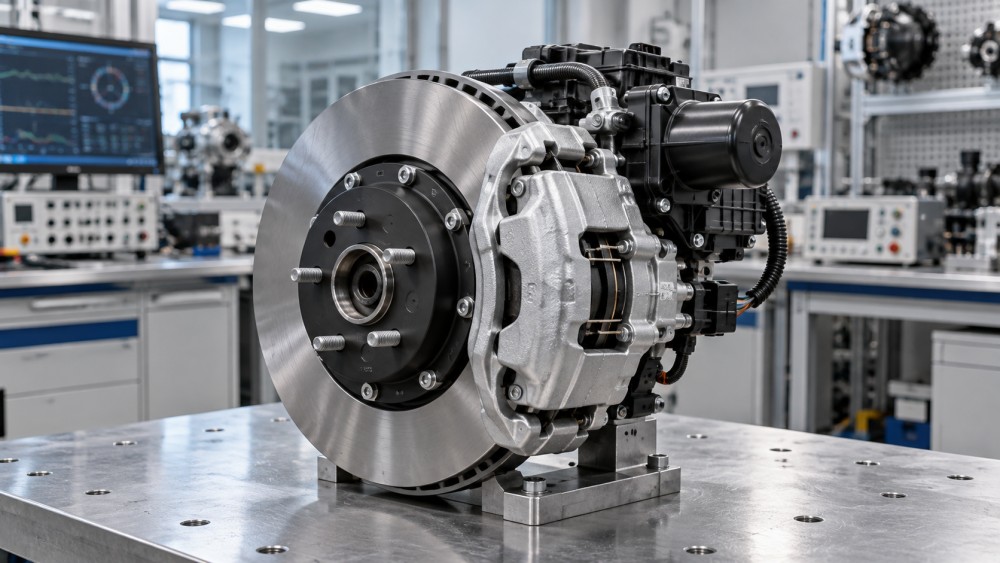
BASF, Chery Automobile and Suzhou Coordinate System have jointly presented an electronic mechanical braking (EMB) brake-by-wire system described in the supplied information as the world's first mass-production system of its kind. The event date was not specified. The announcement concerns engineering plastics used in the system for the EXEED EX7; the supplied information identifies no accompanying change to legislation, standards or certification requirements. From an industry perspective, its immediate relevance lies in the material qualification, purchasing and technical documentation questions that such an application may raise for suppliers and vehicle manufacturers.
Engineering Plastics Feature in Three Key EMB Components
The jointly presented system uses BASF's Ultramid polyamide and Ultradur polybutylene terephthalate engineering plastics in three key components. The system is intended for the EXEED EX7 model.
The supplied account presents the application as an example of high-performance engineering plastics supporting automotive lightweighting and brake-by-wire chassis technology. It does not identify the three components, the material grades, the event date or specific approval and testing results.
Qualification and Procurement Deserve Closer Attention
Material suppliers may face more application-specific questions
Analysis suggests that the practical issue for resin suppliers and component manufacturers is how a selected material is evaluated for its particular role in the braking system. Procurement teams considering similar applications may seek grade-specific specifications, processing information and supporting test documentation. The announcement does not establish that either product family is suitable for every EMB component or operating condition.
Vehicle and system teams may need closer specification alignment
From an industry perspective, using engineering plastics in three key components may make coordination between material selection, component design and system validation particularly relevant. Vehicle manufacturers and system integrators considering comparable designs could review whether supplier documentation addresses their intended application. These are potential qualification considerations; the supplied information does not describe a new mandatory approval procedure.
Testing and trade decisions depend on evidence beyond the showcase
Analysis suggests that testing and certification service providers may be asked to clarify what evidence supports a proposed component application. For businesses assessing cross-border supply, the announcement alone provides no basis for concluding that market-access requirements, customs treatment or certification acceptance have changed. Any such assessment would need the relevant rules and product documentation, neither of which is supplied here.
Practical Checks Before Adopting a Similar Material Solution
Confirm the component and material grade
As a procurement recommendation, buyers considering this application could first establish which three components use the materials and which grades are specified. Product-family names alone provide insufficient detail for evaluating an alternative material or transferring the application to another design.
Separate application evidence from approval evidence
As a compliance review recommendation, companies could request the available technical specifications, validation records and any applicable approval documentation. The supplied account does not identify a certification scheme or approval outcome, so the showcase should not be treated as evidence that a particular regulatory requirement has been satisfied.
Check substitution and delivery assumptions
Analysis suggests that prospective buyers should assess whether a material substitution would call for further component or system evaluation under their own specifications. Purchasing discussions could also clarify supplier qualifications, traceability arrangements and delivery commitments. The input provides no confirmed supply volumes, lead times or substitution permissions.
A Commercial Application Signal, with No Confirmed Rule Change
At this stage, it is more appropriate to understand the announcement as a signal of engineering-plastics adoption in a mass-production EMB application. The available information does not establish a policy revision, a newly effective standard or a change in regulatory enforcement.
As an editorial observation, the next useful evidence would concern the identified components, material grades, validation scope and any applicable approval basis. Subsequent changes to customer specifications or tender requirements could affect supplier participation, but no such changes are confirmed in the supplied account.
Assess the Application Through Its Supporting Documentation
From an industry perspective, the announcement gives material suppliers, component manufacturers and vehicle teams a specific application to examine. Its practical value for another project will depend on the supporting technical evidence and the requirements applicable to that project. Companies can reasonably use it to guide qualification questions while keeping purchasing and compliance decisions tied to verified specifications and documentation.
Basis of This Report and Points for Follow-Up
This article is based solely on the user-provided news title, event-time information and event summary. No specific official source links were provided in the input, and further verification remains necessary. The world's-first description follows the supplied account and has not been independently verified here.
Potential follow-up sources include company announcements and technical documentation, together with any relevant regulatory publications or standards documents. Further observation should focus on component details, validation evidence, any subsequently disclosed certification requirements, customer procurement specifications and industry feedback. The supplied information confirms no related policy details, trade-rule changes or implementation timetable.
Have questions about this sector analysis, or seeking best practices specific to your niche? Drop us a line below and let the senior consultants at APIM assist you.
We respect your privacy. Your information is strictly confidential.
Related News
- 00
0000-00
Do polyolefin hot melt adhesives bond well to polyethylene? - 00
0000-00
Korean Study Finds PLA Barely Degrades in Landfill After 320 Days - 00
0000-00
How to assess batch consistency from a thermal potting compounds supplier - 00
0000-00
How much weight can carbon fiber reinforced plastics save in cars? - 00
0000-00
Switching from PS to ABS Sheet Extrusion: Equipment Checks