




Aliplast Opens 30,000-Tonne Rigid Plastics Recycling Plant in Italy
Aliplast, part of Italy’s Hera Group, has opened its R3GID rigid plastics recycling plant in Modena, although the supplied information does not specify when the opening occurred. The facility is intended to provide European manufacturers with a stable supply of recycled polymers and support zero-kilometre closed-loop applications. For procurement and compliance teams, the development raises questions about material qualification, traceability and delivery readiness. The information provided establishes an industrial investment, but does not identify a new regulation, certification requirement or trade rule.
R3GID Adds Capacity for Rigid PP and HDPE
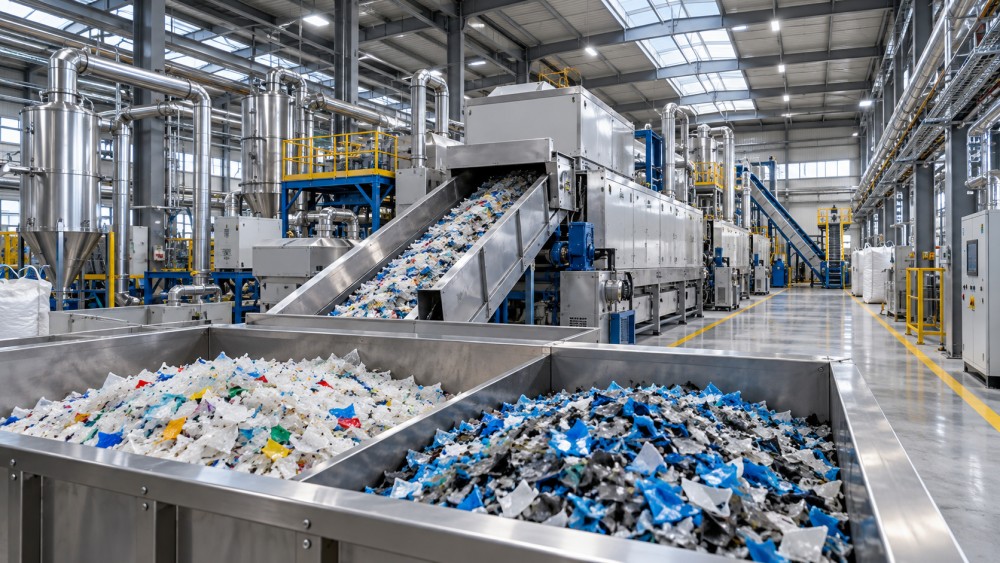
The R3GID project represents an investment of €48.8 million and has an annual capacity of 30,000 tonnes. Located in Modena, Italy, the plant primarily processes rigid polypropylene (PP) and high-density polyethylene (HDPE) and uses AMUT technology.
Aliplast has formally opened the facility with the stated aim of supplying European manufacturers with stable volumes of recycled polymers and promoting zero-kilometre closed-loop applications.
Material Qualification Could Shape Procurement Decisions
Manufacturers assessing recycled polymer supply
From an industry perspective, the additional capacity could give manufacturers another supply option for applications using recycled PP or HDPE. Its practical relevance would depend on whether the available grades meet each buyer’s processing and product specifications. Procurement teams could therefore assess material documentation, sample performance and delivery commitments before incorporating the output into purchasing plans.
Processors translating supply into usable production inputs
Analysis suggests that processors considering these materials may need to evaluate consistency across deliveries and suitability for their intended applications. The supplied information does not establish product grades, test results or certification status. The use of AMUT technology alone does not demonstrate that a particular output meets a customer specification or an applicable compliance requirement.
Partners evaluating local closed-loop arrangements
For businesses exploring zero-kilometre closed-loop applications, the plant’s stated objective could support discussions about local collection, processing and material reuse. As an analytical consideration, such arrangements would benefit from agreed responsibilities for material acceptance, traceability and delivery. The input does not confirm specific collection networks, customer agreements or operating procedures.
Checks to Complete Before Committing Supply
Establish the documentation available for each grade
As a practical procurement recommendation, prospective buyers should request specifications and supporting documentation for the material they intend to purchase. Where an application requires certification or particular compliance evidence, buyers should verify its scope and applicability. Neither the investment amount nor the plant opening establishes that those requirements have been satisfied.
Validate PP and HDPE against the intended application
Technical teams could assess samples against their own acceptance criteria before approving material substitution. This is a suggested qualification step: the supplied information does not confirm that the plant’s output is suitable for every rigid PP or HDPE application, or that customer approvals have already been obtained.
Confirm volumes, timing and delivery terms
For purchasing decisions, the announced annual capacity should be distinguished from volumes available to an individual customer. Buyers could clarify grade availability, order quantities, delivery schedules and arrangements for handling material that falls outside agreed specifications. The input provides no production ramp-up schedule, customer allocation details or delivery commitments.
Define the evidence behind closed-loop claims
As a due-diligence measure, companies considering zero-kilometre closed-loop arrangements could clarify what that description means for their proposed supply chain and what records would support it. The supplied information does not define a distance threshold, verification method or certification framework for the term.
An Industrial Opening Without a Confirmed Rule Change
At this stage, it is more appropriate to understand the announcement as an operational development in recycling capacity. The supplied material does not identify a policy amendment, a mandatory recycled-content threshold, a new certification scheme or a change in trade treatment. It therefore cannot support a conclusion that manufacturers or traders face new legal obligations because the plant has opened.
Editorial analysis suggests that the development’s relevance to compliance lies in how buyers may qualify and document future supplies. Further information on available grades, traceability, certification scope and customer acceptance would help establish whether the facility can support particular purchasing requirements. Those outcomes remain matters for verification.
Supply Potential Depends on Verified Performance
The opening establishes a new facility with stated annual capacity of 30,000 tonnes for processing rigid plastics, primarily PP and HDPE. Its intended contribution is a more stable recycled-polymer supply for European manufacturers and support for local closed-loop applications.
From a procurement perspective, the appropriate response is to assess the facility as a potential supply option and verify the evidence relevant to each intended use. Broader conclusions about compliance readiness, delivery reliability or market effects should remain conditional until further operating and customer information becomes available.
Basis of This Report and Points for Follow-up
This article is based exclusively on the user-provided news title, event-time information and event summary. The event date was not specified, and no specific official source links were supplied. The factual account and any subsequent developments therefore remain subject to ongoing verification.
Follow-up checks could draw on company announcements and technical documentation, together with relevant regulatory or standards publications if a specific rule becomes applicable. Further observation should focus on operating progress, product specifications, certification evidence, traceability arrangements, delivery performance and customer feedback. Any later claim concerning policy implementation, certification interpretation or trade requirements would require separate supporting evidence.
Have questions about this sector analysis, or seeking best practices specific to your niche? Drop us a line below and let the senior consultants at APIM assist you.
We respect your privacy. Your information is strictly confidential.
Related News
- 00
0000-00
How does washing affect contamination in post-consumer recycled PP resins? - 00
0000-00
How does feedstock affect depolymerization equipment selection? - 00
0000-00
US Sets 213.44% Preliminary Antidumping Deposit on Chinese PTMEG - 00
0000-00
When should epoxy be used as a thermal interface material for semiconductors? - 00
0000-00
US Midterm Results Unlikely to Quickly Shift Recycled Plastics Market or Legislation