




COMY Launches Waste Plastic-to-Propylene Chemical Recycling Pilot in Cangzhou, Hebei
According to the supplied event information, Zhejiang COMY Environmental Technology Co., Ltd. launched a waste plastic-to-propylene (PTP) chemical recycling pilot at the Yanzhao Green Chemical Laboratory in Cangzhou, Hebei, on October 16, 2026. The project targets the conversion of waste plastics into propylene monomer. For waste plastic suppliers, material buyers and downstream manufacturers, its potential relevance lies in feedstock qualification, product verification and the evidence supporting recycling claims. The supplied information identifies no new policy, regulation, standard or certification requirement, so the launch should be assessed as a technical development with possible compliance implications.
A Pilot Focused on Recovering Propylene from Waste Plastics
The supplied account identifies COMY as the company launching the PTP chemical recycling pilot at the Yanzhao Green Chemical Laboratory. The project uses chemical depolymerization to convert waste plastics into propylene monomer.
Its stated purpose is to advance the recovery and use of plastic waste as a resource and support the industry's green transition.
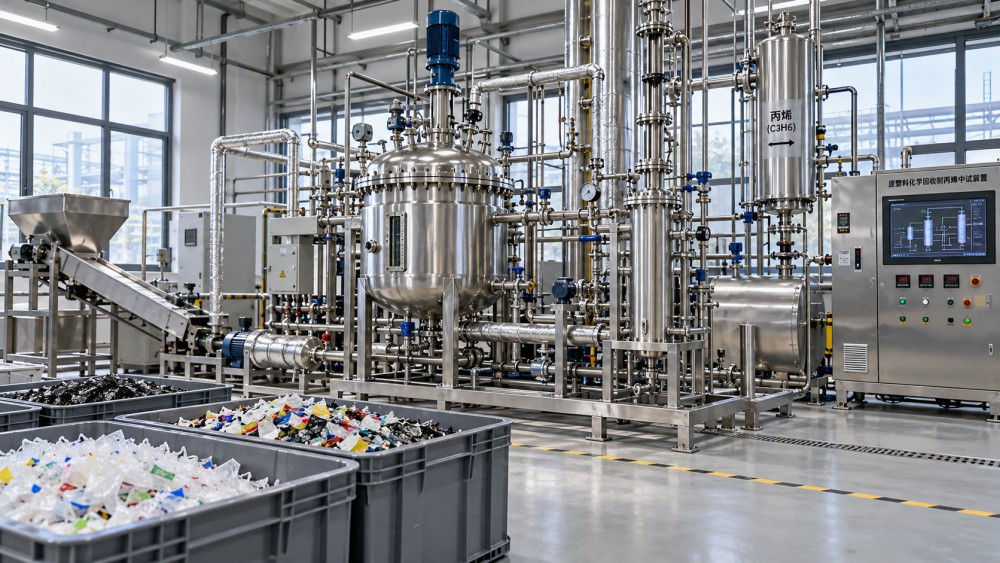
Feedstock and Product Qualification Could Shape Supply Chain Decisions
Waste plastic suppliers: suitability would need verification
From an industry perspective, suppliers considering participation could need to assess whether their waste plastic streams suit the process. Material composition, consistency and origin records would be useful subjects for technical discussions. These are potential qualification considerations; the supplied information does not establish accepted feedstock categories, testing procedures or binding supplier requirements.
Propylene buyers: the intended output needs supporting evidence
Analysis suggests that buyers evaluating a potential supply of recovered propylene would need evidence of product quality and suitability for their intended manufacturing processes. The project description establishes an intended conversion route, but it provides no product specifications, test results or customer acceptance criteria. Procurement decisions would therefore benefit from a distinction between the project's technical objective and any subsequently verified supply capability.
Testing and certification providers: claims would need a defined scope
For testing and certification providers, a possible area of work would be assessing the evidence behind material quality, origin and recycling claims. Any such assessment would depend on the applicable requirements and the claim being made. The announcement does not identify a certification scheme or confirm that the pilot's output qualifies under any particular standard, procurement framework or trade rule.
Practical Checks Before Procurement or Compliance Commitments
Confirm the project's documented operating status
As a practical recommendation, prospective partners should seek project documentation that clarifies the pilot's operating scope and the results available for review. A reported launch alone does not establish production performance, operating stability or readiness for routine deliveries. Those questions would need separate verification before being incorporated into purchasing plans.
Request evidence relevant to the proposed material use
For a potential material evaluation, buyers could request available specifications, testing information and records supporting feedstock origin. The appropriate documentation would depend on the intended application and the parties' agreed acceptance criteria. The input provides no basis for treating a particular document package or testing method as mandatory.
Review environmental claims against applicable requirements
From a compliance perspective, companies considering claims about recovered material or circularity should first identify the rules and evidence relevant to those claims. The project's stated resource recovery objective does not, by itself, establish certified status or eligibility for a particular purchasing requirement. Any future certification or regulatory recognition would need to be checked against its actual scope.
Keep supply commitments aligned with verified capability
As a procurement precaution, companies could separate pilot evaluation from commitments that depend on dependable supply. The supplied information includes no production capacity, commercial delivery schedule or supply agreement. Buyers would need additional evidence before treating the project as an established source of propylene.
A Technical Development, with Regulatory Recognition Still Unspecified
Editorial analysis: this event is best understood as a chemical recycling pilot launch. The supplied information does not demonstrate a change in market access, waste management obligations, certification eligibility or trade treatment. It would therefore be premature to describe the project as the implementation of a new industry rule.
What deserves closer attention is whether subsequent disclosures establish a connection between the process and specific compliance or purchasing requirements. Relevant developments could include verified technical results, documented product acceptance, applicable certification decisions or official statements addressing the treatment of the recovered material. These are matters for observation, rather than confirmed outcomes of the launch.
Evaluate the Recycling Route Through Evidence as It Emerges
From an industry perspective, COMY's PTP pilot presents a potential route for recovering propylene from waste plastics. Its practical implications for suppliers and buyers will depend on evidence about material suitability, process performance and the requirements governing any proposed use or claim. At this stage, the proportionate response is to monitor the project, assess available documentation and avoid assuming that a technical launch establishes regulatory approval or commercial availability.
The Supplied Account and Points Requiring Further Verification
This article is based exclusively on the user-provided news title, event date and event summary. Specific official source links were not included in the input, and the reported launch remains subject to verification against primary documentation.
Further verification could draw on company announcements, laboratory disclosures and, where relevant, publications from regulatory authorities or standards and certification organizations. Continued observation should focus on project execution, technical results, any applicable policy details or certification interpretations, changes in buyer requirements and industry feedback. No specific policy amendment, certification decision or trade measure is established by the supplied information.
Have questions about this sector analysis, or seeking best practices specific to your niche? Drop us a line below and let the senior consultants at APIM assist you.
We respect your privacy. Your information is strictly confidential.
Related News
- 00
0000-00
Do polyolefin hot melt adhesives bond well to polyethylene? - 00
0000-00
Korean Study Finds PLA Barely Degrades in Landfill After 320 Days - 00
0000-00
How to assess batch consistency from a thermal potting compounds supplier - 00
0000-00
How much weight can carbon fiber reinforced plastics save in cars? - 00
0000-00
Switching from PS to ABS Sheet Extrusion: Equipment Checks