




UL94 Epoxy Bonding Materials: What Ratings Mean for Device Safety
UL94 epoxy bonding materials sit at the intersection of adhesion, insulation, and fire performance. In electronics, power systems, and industrial assemblies, that combination matters because a bond line is rarely only a bond line.
It may also influence flame spread, dripping behavior, enclosure integrity, and certification outcomes. That is why UL94 ratings are not a minor data-sheet detail. They shape design risk, validation scope, and downstream approval work.
Why UL94 ratings matter in bonded devices
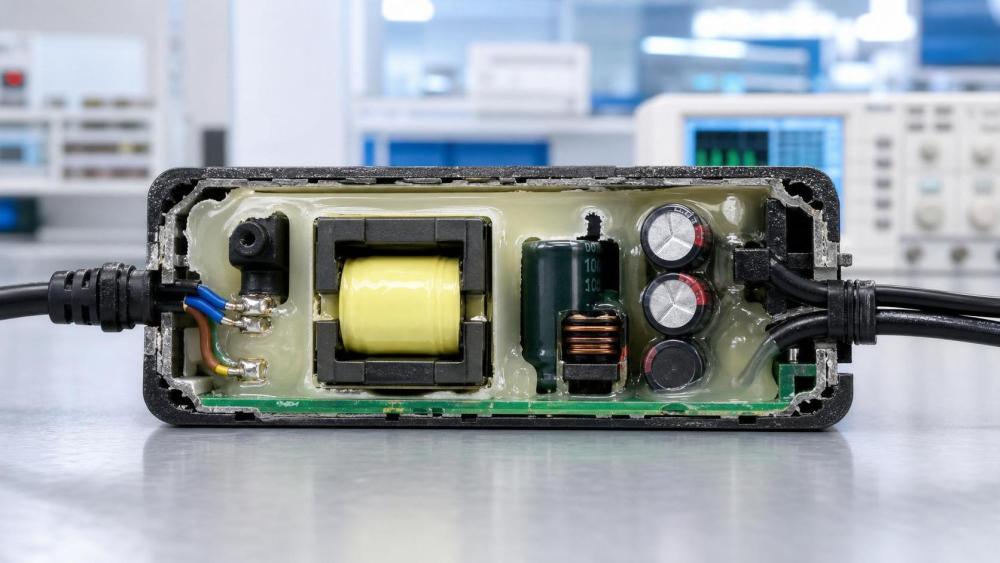
When a device contains heat sources, current-carrying parts, or confined spaces, polymer behavior under ignition becomes a practical safety issue. Adhesives, potting compounds, and encapsulants can affect how a failure develops.
UL94 is a flammability standard used to classify how plastic materials respond to a small flame under defined test conditions. For epoxy systems, the rating helps indicate whether the material self-extinguishes, drips, or sustains burning.
In real projects, that rating influences more than compliance paperwork. It can affect enclosure design, spacing assumptions, thermal shielding, component layout, and supplier qualification timing.
What the main UL94 classifications actually tell you
The most common UL94 categories for epoxy bonding materials are horizontal burn and vertical burn ratings. Vertical ratings usually attract the most attention in electrical and electronic products.
HB, V-2, V-1, and V-0
HB generally indicates slower horizontal burning, but it is the least demanding of the widely cited ratings. It may be acceptable in less critical uses, yet often falls short for compact electrical devices.
V-2 means the specimen stops burning within a defined time, but flaming drips are allowed. That detail matters because dripping can ignite nearby materials or worsen a fault inside a dense assembly.
V-1 is stricter on afterflame time and still does not permit the same level of poor flame behavior seen in lower classes. It may suit products requiring a stronger safety margin.
V-0 is commonly the target for higher-risk applications. It requires rapid self-extinguishing performance and restricts flaming drips that could ignite cotton placed below the sample.
How to read the rating correctly
A UL94 grade is not a universal promise of system safety. It describes the tested material, thickness, and test orientation. Change those conditions, and the result may also change.
That is especially important for UL94 epoxy bonding materials because bond line thickness in production may differ from test plaques. Cured geometry, filler loading, and substrate contact can all influence performance.
Why the topic is gaining weight across industries
Three shifts are pushing UL94 epoxy bonding materials higher on technical review lists. The first is miniaturization. Smaller products create tighter thermal zones and leave less room for passive safety tolerance.
The second is electrification. Battery systems, charging hardware, power modules, sensors, and control units all rely on bonded materials that must perform under heat, vibration, and electrical stress.
The third is broader documentation pressure. Global supply chains now demand clearer evidence on material consistency, certification traceability, and performance under realistic operating conditions.
This fits the wider industrial materials picture tracked by APIM. Advanced polymers are replacing traditional materials in parts where weight, insulation, durability, and safety must be balanced rather than optimized in isolation.
Where UL94 epoxy bonding materials are commonly used
The value of UL94 epoxy bonding materials becomes clearer when viewed by application. The same rating can carry different weight depending on heat exposure, part density, and certification pathway.
In these cases, the adhesive is part of the device architecture. It supports assembly, but it also shapes thermal management, insulation, and failure containment.
What a rating does not tell you
A common mistake is treating V-0 as the final answer. Strong flammability performance does not automatically mean the epoxy is the right bonding material for a given device.
Mechanical strength still matters. So do modulus, peel performance, thermal expansion mismatch, and adhesion after humidity or chemical exposure. A brittle flame-retardant epoxy can still create reliability problems.
Processing behavior also deserves attention. Pot life, cure schedule, filler dispersion, mixing ratio control, and void formation influence whether the tested material performance can be reproduced on the line.
APIM’s coverage of industrial adhesives and compounding logic is useful here because flame resistance is often formulation-dependent. Additives, resin chemistry, and process consistency work together.
How to evaluate UL94 epoxy bonding materials in practice
A practical review should connect the UL94 label to the actual device environment. That means checking both certification evidence and the conditions that make the rating relevant.
- Confirm the exact UL94 class and the tested thickness range.
- Check whether the listed grade matches the production formulation and cure profile.
- Review dielectric, thermal, and mechanical properties alongside flammability.
- Ask how aging, humidity, and chemical exposure affect adhesion and cracking.
- Compare lab test geometry with the real bond line and encapsulation shape.
- Verify supplier documentation, batch consistency, and change-control discipline.
This approach prevents a narrow specification choice from becoming a broader project risk later. It also supports cleaner conversations between design, quality, sourcing, and compliance functions.
A useful way to compare options
For many programs, the better question is not whether UL94 epoxy bonding materials are needed. The better question is which tradeoff profile fits the product and the approval path.
Key comparison dimensions
One epoxy may deliver V-0 and strong rigidity, yet struggle with thermal cycling. Another may bond well and resist chemicals, but require a slower cure that complicates throughput.
In higher-volume manufacturing, processing stability often carries as much weight as peak property values. A material with slightly lower headline performance may still reduce total risk if it runs consistently.
That broader comparison reflects how advanced materials are now selected across modern manufacturing. Performance, processability, certification readiness, and supply continuity all belong in the same decision frame.
What to examine before locking a specification
Before final release, it helps to translate material data into a short approval checklist. That keeps the discussion tied to device behavior rather than isolated test numbers.
- Map ignition sources, hot spots, and nearby combustible materials.
- Define whether V-0 is required by regulation, customer rule, or internal risk policy.
- Test bonded assemblies, not only neat material samples, where possible.
- Review secondary effects such as shrink stress, rework damage, and void-related failures.
- Align material choice with regional approvals and supplier support documents.
For teams screening materials across global programs, structured technical references can shorten this stage. The point is not to chase the highest rating by default, but to match rating, function, and process reality.
A grounded next step
UL94 epoxy bonding materials are best understood as part of a whole material system. Their value comes from how flame performance, adhesion, processing, and documentation fit the actual device.
A sensible next move is to build a comparison sheet around rating, tested thickness, cure conditions, electrical properties, aging behavior, and supplier traceability. That usually reveals which options deserve deeper validation.
Where applications span electronics, industrial controls, mobility, or specialty assemblies, this kind of disciplined review leads to better material decisions than relying on a single UL94 mark alone.
Have questions about this sector analysis, or seeking best practices specific to your niche? Drop us a line below and let the senior consultants at APIM assist you.
We respect your privacy. Your information is strictly confidential.
Related News
- 00
0000-00
How does washing affect contamination in post-consumer recycled PP resins? - 00
0000-00
How does feedstock affect depolymerization equipment selection? - 00
0000-00
US Sets 213.44% Preliminary Antidumping Deposit on Chinese PTMEG - 00
0000-00
When should epoxy be used as a thermal interface material for semiconductors? - 00
0000-00
US Midterm Results Unlikely to Quickly Shift Recycled Plastics Market or Legislation