




High Conductivity Thermal Adhesives: Key Tradeoffs Between Heat Transfer and Reliability
High conductivity thermal adhesives sit at a practical intersection of bonding and thermal management. They help move heat away from chips, battery cells, power modules, sensors, and metal housings, yet the highest thermal conductivity does not automatically deliver the best field performance.
That tension matters more now because electronics are denser, assemblies are lighter, and operating temperatures are less forgiving. In sectors tracked by APIM, material selection is increasingly judged by how it behaves over time, not only by a headline conductivity value.
Why the Market Is Paying Closer Attention
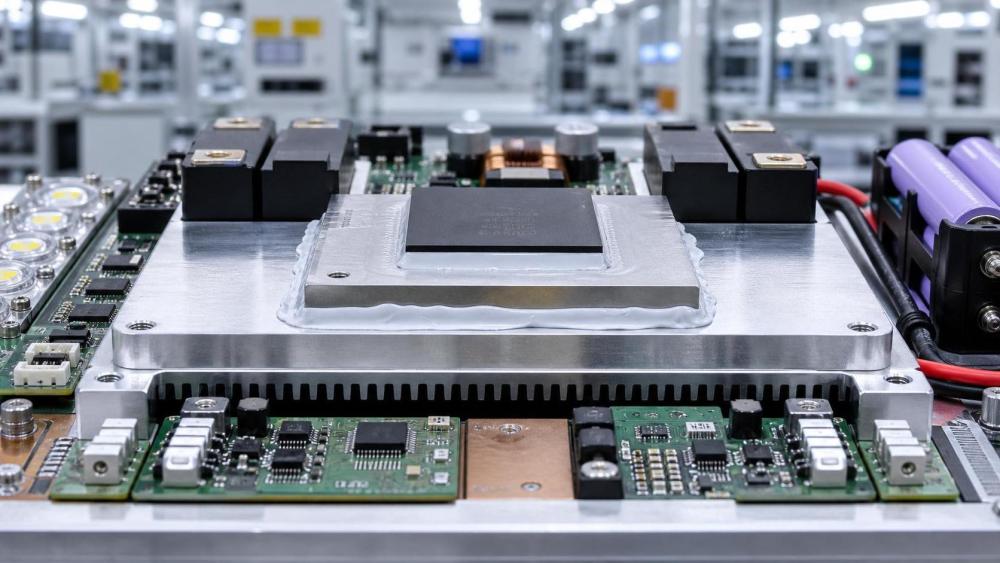
Thermal adhesive choices now influence product stability, assembly yield, and service life. A poor match can create hot spots, weaken adhesion, or introduce stress during thermal cycling.
This is especially relevant in consumer electronics, automotive electronics, industrial controls, LED modules, telecom hardware, and energy storage systems. Each of these applications combines heat flow demands with mechanical and environmental exposure.
APIM often frames advanced materials through application logic rather than chemistry alone. That approach fits high conductivity thermal adhesives well, because their value depends on the complete assembly context.
What High Conductivity Thermal Adhesives Actually Do
In simple terms, these materials bond two surfaces while creating a path for heat transfer. Most systems use a polymer matrix loaded with conductive fillers such as alumina, boron nitride, aluminum nitride, silver, or hybrid mineral packages.
The polymer may be epoxy, silicone, polyurethane, acrylic, or another engineered adhesive base. The filler package raises thermal conductivity, while the resin system controls cure behavior, adhesion, flexibility, and chemical resistance.
That sounds straightforward, but thermal performance is shaped by more than the datasheet number. Bond-line thickness, surface flatness, void content, cure shrinkage, and dispensing consistency all affect actual heat dissipation.
Bulk conductivity is only one part of the picture
A material rated at higher W/mK may still perform worse if it traps air, wets poorly, or creates a thick bond line. Interfacial resistance can erase part of the conductivity advantage.
In practical use, the best thermal adhesive is often the one that maintains stable contact, cures predictably, and survives repeated heating and cooling without cracking.
The Main Tradeoff: Heat Transfer Versus Reliability
The phrase high conductivity thermal adhesives suggests clear benefit, but every conductivity gain usually comes with formulation compromises. More filler typically increases viscosity, stiffness, density, and processing difficulty.
That creates a familiar balance problem. Better heat transfer may reduce operating temperature, yet the same material can become less forgiving during assembly or long-term use.
This is why reliability testing often changes a short list of candidate materials. A top thermal number can look attractive early, then lose its advantage once shock, humidity, aging, and vibration are considered.
Where Failures Usually Start
Many failure modes begin at interfaces rather than in the bulk adhesive. Surface contamination, oxide layers, release agents, or poor roughness control can reduce adhesion even when conductivity remains acceptable.
Thermal expansion mismatch is another common issue. A rigid adhesive joining aluminum, copper, ceramics, and engineering plastics may experience repeated stress at each temperature cycle.
Over time, that stress can produce microcracks, delamination, pumping effects, or a gradual rise in thermal resistance. In sealed electronic assemblies, moisture ingress can accelerate these problems.
Process variables often decide reliability
Even well-designed high conductivity thermal adhesives can disappoint when handling conditions drift. Temperature before dispense, mix ratio, filler sedimentation, bead geometry, and cure schedule all matter.
- Poor mixing can leave soft zones or filler-rich zones.
- Excessive pressure can trap air or squeeze out material.
- Inconsistent cure can shift hardness and thermal resistance.
- Long storage or repeated handling can change viscosity.
For that reason, APIM’s broader focus on processing control is highly relevant here. Adhesive performance is inseparable from the process window used to apply it.
How Application Context Changes Material Choice
Not every thermal assembly needs the same balance. A battery module, an LED board, and a motor control unit may all use high conductivity thermal adhesives, but their decision criteria differ.
Electronics and power modules
These assemblies often need low thermal resistance, electrical insulation, and stable adhesion under thermal cycling. Thin bond lines and controlled dispense patterns are usually more important than maximum gap filling.
Battery systems
Battery packs add vibration, safety, flame behavior, and service temperature variation. Here, thermal management must be balanced with compression tolerance, dielectric performance, and resistance to aging.
Industrial machinery and controls
Heavy-duty equipment often sees oil mist, dust, humidity, and broad temperature swings. Mechanical robustness and environmental durability can outweigh a small conductivity improvement.
Mixed-material assemblies
When metals are bonded to engineered plastics such as PA, PBT, PPS, or PC blends, stress management becomes critical. A slightly lower conductivity grade with better flexibility may deliver a longer service life.
What to Check Before Comparing Datasheets
A useful evaluation starts with the assembly, not the catalog. High conductivity thermal adhesives should be judged against thermal path design, substrate pairings, cure constraints, and expected field conditions.
- Define the real heat load and target junction temperature.
- Check whether the adhesive must also insulate electrically.
- Confirm bond-line thickness tolerance and gap variation.
- Review substrate CTE mismatch and stiffness sensitivity.
- Map the cure schedule against line speed and equipment limits.
- Test after humidity, shock, vibration, and thermal aging.
- Watch for lot consistency and storage stability.
This kind of structured screening helps avoid a common mistake: selecting by thermal conductivity alone, then compensating for reliability issues later through redesign or tighter process control.
A Broader Materials View Improves Decisions
Thermal adhesives do not operate in isolation. Housing polymers, films, potting compounds, fillers, and processing choices all influence the final result.
That is one reason industry platforms such as APIM matter. A clear view across adhesives, engineering plastics, conductive compounds, and manufacturing methods supports better tradeoff decisions than a single-material perspective.
For example, a redesigned substrate, a flatter interface, or a different thermal stack may reduce the need for an extremely loaded adhesive. Sometimes the best reliability improvement comes from the surrounding system.
What Deserves Attention Next
The most useful next step is to build a short decision matrix around thermal target, assembly method, substrate combination, and durability exposure. That makes comparisons between high conductivity thermal adhesives more realistic and easier to validate.
From there, lab data should be matched with pilot-scale process trials and failure analysis. In demanding thermal management applications, the better choice is rarely the most conductive material on paper. It is the one that keeps heat moving while staying reliable in the real assembly.
Have questions about this sector analysis, or seeking best practices specific to your niche? Drop us a line below and let the senior consultants at APIM assist you.
We respect your privacy. Your information is strictly confidential.
Related News
- 00
0000-00
How does washing affect contamination in post-consumer recycled PP resins? - 00
0000-00
How does feedstock affect depolymerization equipment selection? - 00
0000-00
US Sets 213.44% Preliminary Antidumping Deposit on Chinese PTMEG - 00
0000-00
When should epoxy be used as a thermal interface material for semiconductors? - 00
0000-00
US Midterm Results Unlikely to Quickly Shift Recycled Plastics Market or Legislation